Corfu was not always an island: during the Paleolithic Period it was joined with the mainland opposite. Archaeological finds from this period (70,000-40,000 BC) have been made at Ag. Mathaios. Separation from the mainland occurred during the Neolithic period (10,000-8,000BC) when, with the melting of the ice, the level of the sea rose. Traces of the Neolithic Period are to be found at Sidari. In the north-west of the island, at Kefali, Afionas and Ermones, Bronze Age settlements (2,000 BC) have been found.
Apollonias the Rodian, in the "Argonautika" refers to the fact that Jason hid here with the Argonauts and Medea, in order to escape the Colchians.
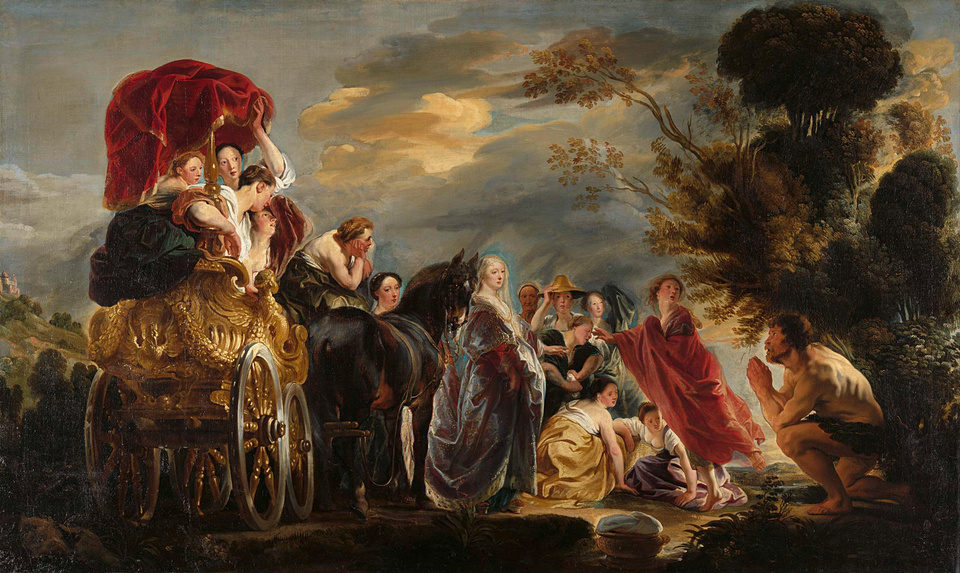
In the "Odyssey" Homer has Odysseus brought to Corfu, exhausted and naked, to be found by Nausicaa, the daughter of the ruler of the island, King Alkinoos. (The second rhapsody of the Iliad).
In those days the inhabitants of the island were of Phoenician descent while, later, immigrants began to arrive from Hyperia - now known as Sicily, from Illyria and even Crete, Mycenae and the Aegean, as verified by Professor Dorpfeld in his excavations of 1914.
The first Greek settlers came from Eretria in Euboea, around 775-750 BC. A little later political refugees from Corinth fled to the island, bringing with them their highly developed political outlook.
Corfu was not always an island
DIE KORINTHER: A powerful Corfu is creating
Die Athener: They base their power on Corfiots
Die Römer: Kerkyra wird das erste Resort
Die Byzantiner: Βuilding the modern identity of Corfu
Die Anjou: The puzzle is complete
Die Venezianer: Vier Jahrhunderte Venezianerherrschaft haben den Charakter der Insel geprägt.
Die Franzosen: Kerkyra findet ionische Identität
Der britische Einfluss: Cricket and beer
Die Vereinigung: So hier sind wir