In 1267, Charles of Anjou, the French King of Sicily, seized the island and began efforts to replace the Orthodox Church with the Catholic one. During this period the island was divided into the four districts which still exist today - the regions of Giros, Oros, Mesis and Lefkimmi.
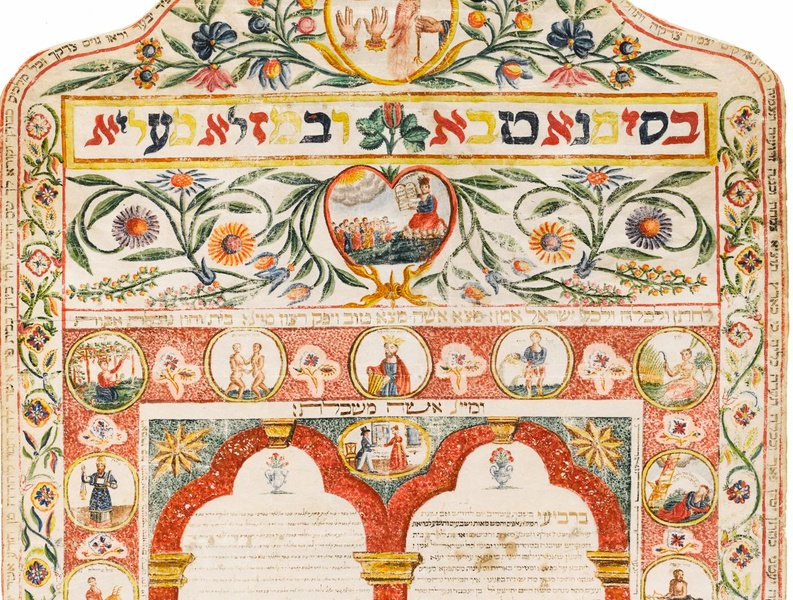
Also at this time, Corfu was settled by two new peoples. The first group consisted of Jews banished from Spain, who were treated little better when they came to Corfu. Despite protective measures imposed by the Angevins, they were persecuted until 1386, when, having become a large community, they were at last allowed to play a part in public life. The second people were the Vagenets, a gypsy community who came from the coastal region of Epirus and involved themselves in tough manual labour, thus becoming a separate lower class.
Meanwhile the external threat from the Turks was always present and, fearing an attack, the Council of Corfu sought the protection of the ruler of the seas, the Serene Republic of Venice. So it was that on May 20th 1386, the banner of St. Mark was raised upon the Old Fortress.
The puzzle is complete
In the beginning: Corfu was not always an island
The Corinthians: A powerful Corfu is creating
The Athenians: They base their power on Corfiots
The Romans: Corfu becomes the first resort
The Byzantines: Βuilding the modern identity of Corfu
The Venetians: Four centuries of Venetian rule were to determine the character of the island.
The French: Corfu finds Ionian identity
The British Influence: Cricket and beer
The Unification: So, here we are