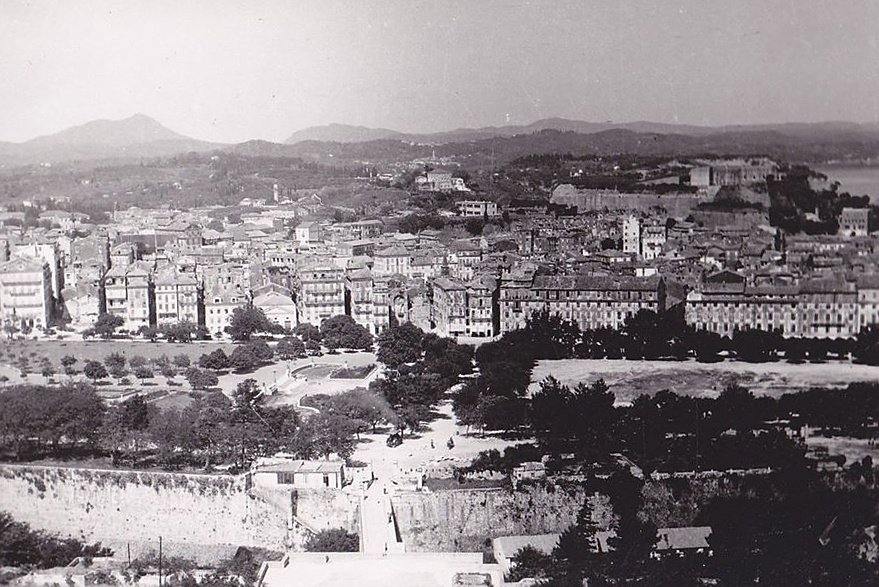
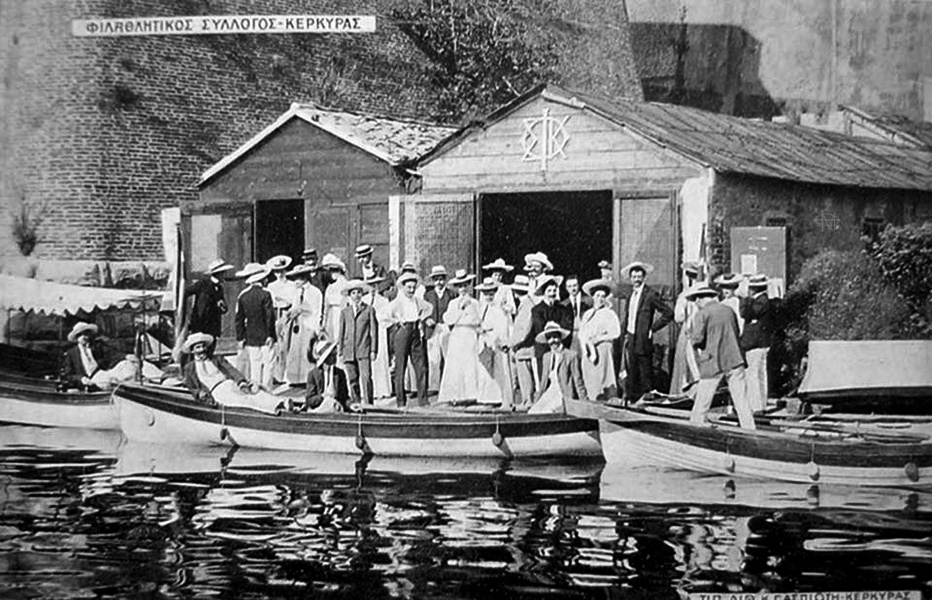
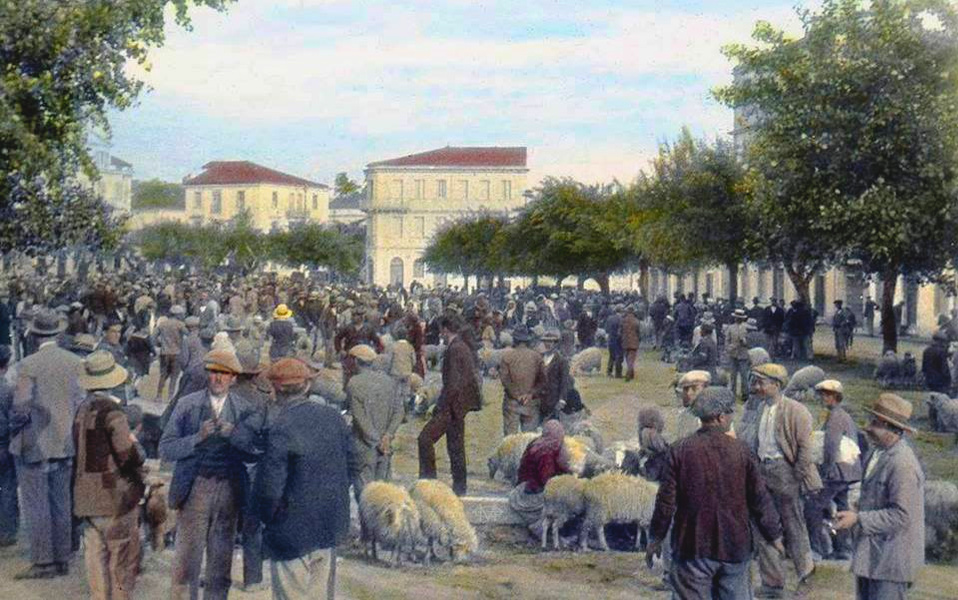
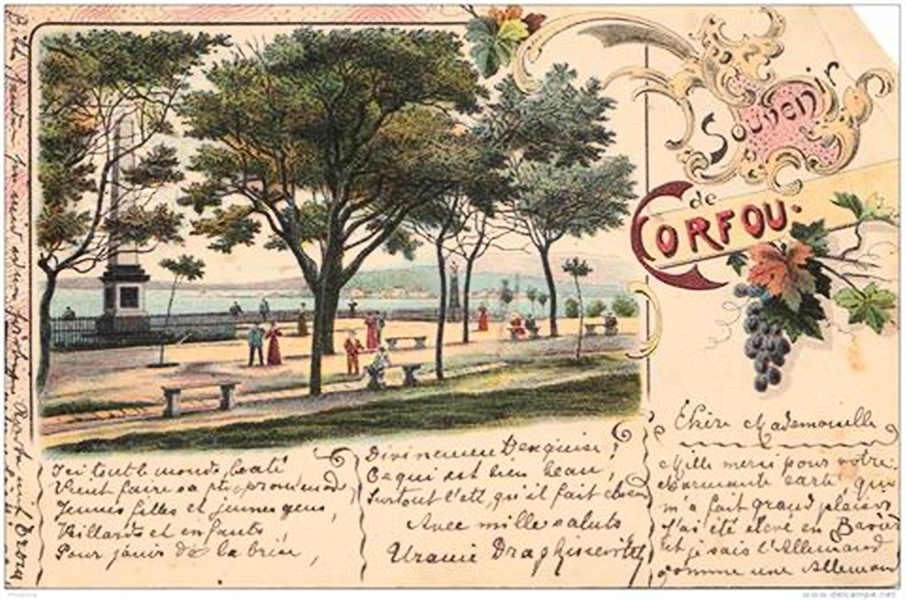
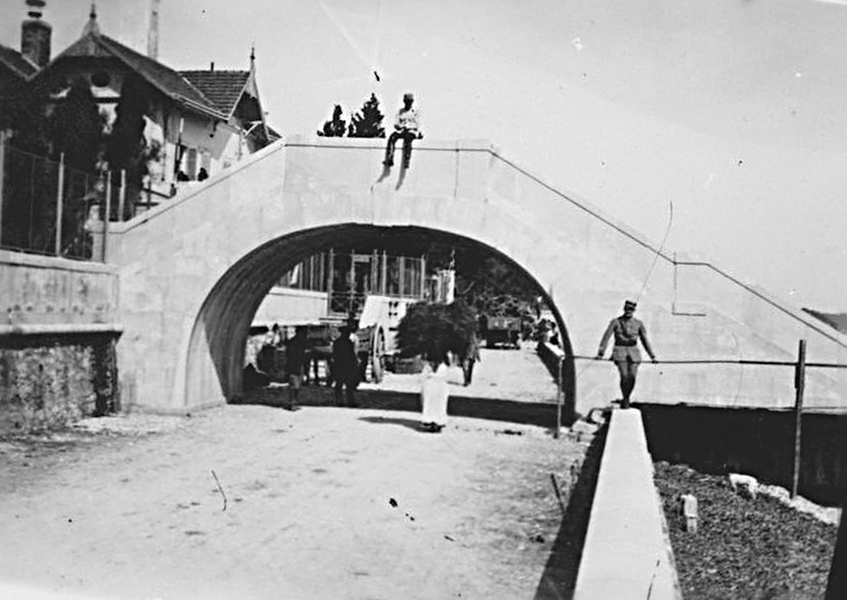
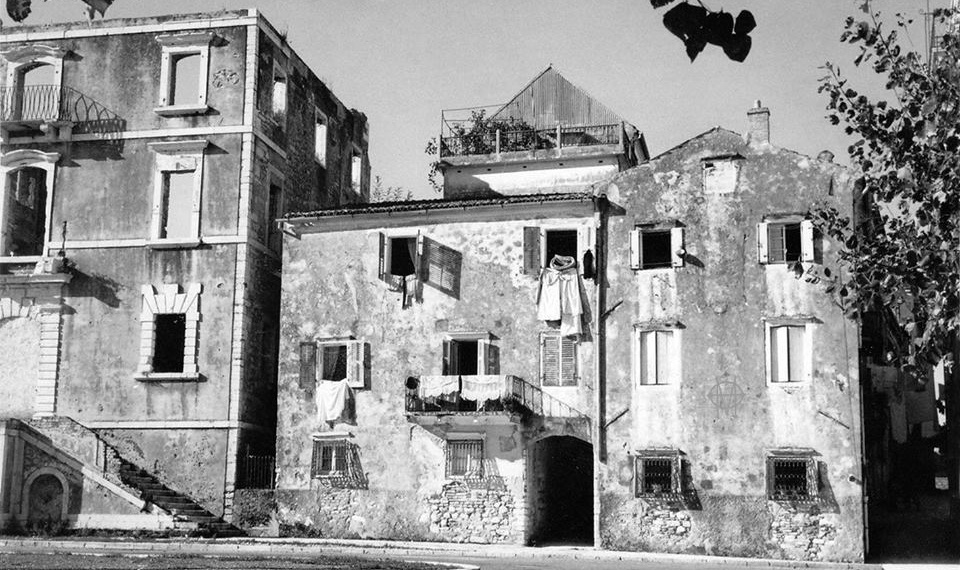
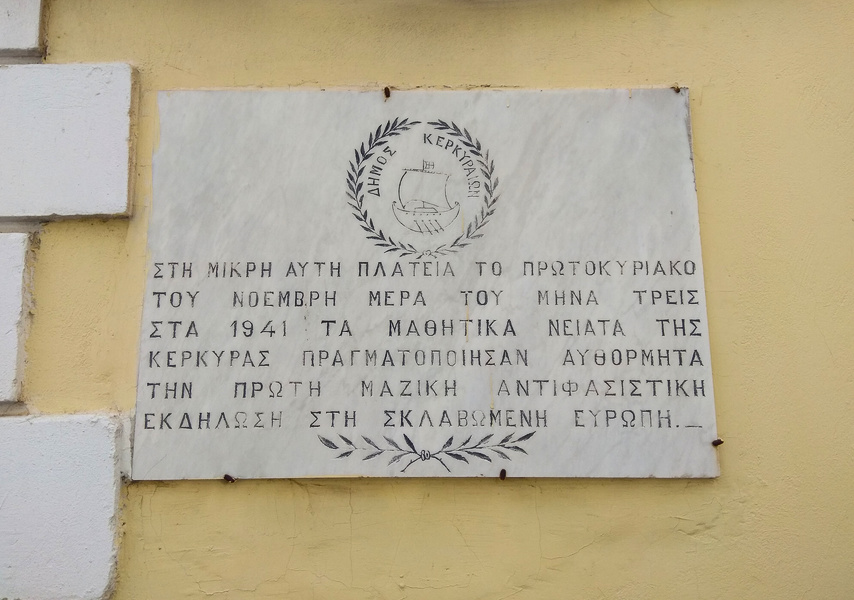
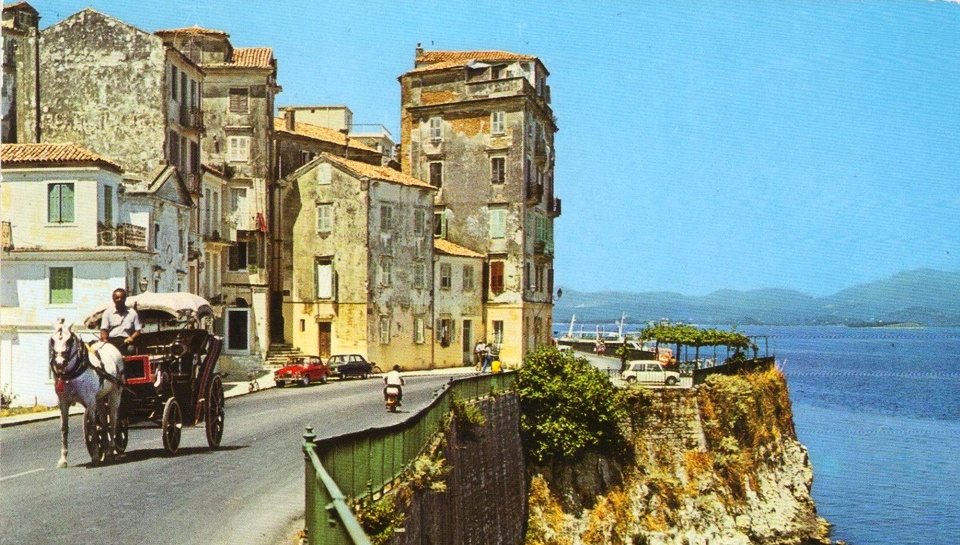
On May 21st 1864, Corfu and the other Ionian islands finally regained their Greek identity, and the long years of foreign occupation came to an end. But this also signalled the end of Corfu's brilliance as the capital of the Ionian State. The small, newly-established Greek state could not afford the existence of two separate poles of culture and wealth , and the University and other cultural institutions had to be sacrificed. By 1900, Corfu was just another provincial town with memories of a glorious past. In 1923 it was bombarded and temporarily occupied by the Italians, after the Italian General Cellini was murdered on Greek territory. During the Second World War, in 1940, it was bombed and once again occupied by the Italians and in 1943 suffered a huge catastrophe when bombed by the Germans, and the Ionian Academy, the Library, and the Municipal Theatre were burnt down.
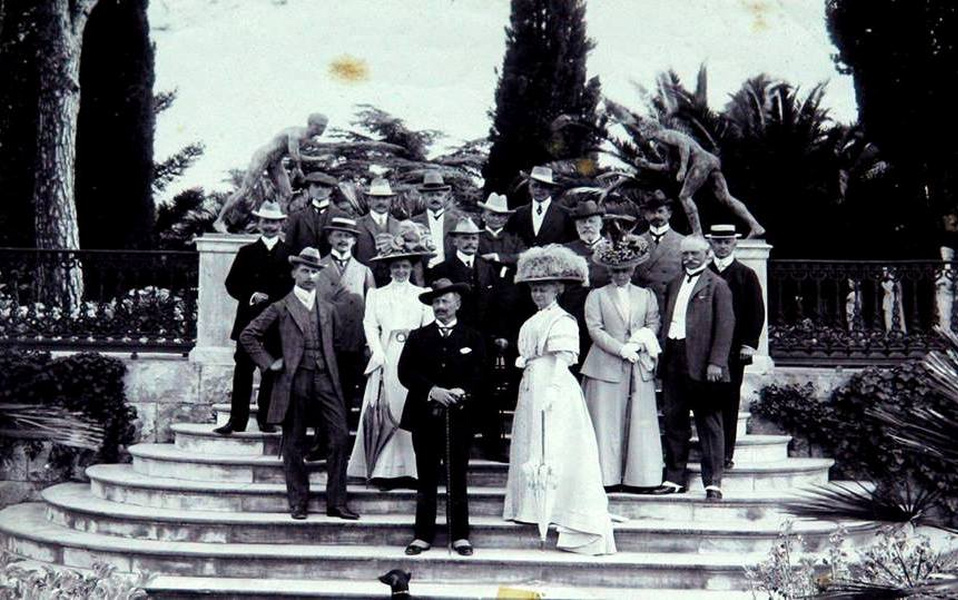
In the hard years that followed the end of the war, Corfu shared the fortune of the rest of Greece. Poverty, political crisis and emigration continued until the late 1960's, when tourist development gave a new impetus to the economic and social life of Greece. The island's attraction for tourists was already evident by the turn of the century. As well as being the spot chosen by the tragic Empress Sissi for her Achillion Palace, built in 1890 as a refuge from the intrigues of the Hapsburg court, it also became the setting of the Bella Venezia Hotel, a beautiful hostelry which was often compared with the Grande Bretagne in Athens and attracted the aristocracy of Europe as guests. From the early years of the century up until the Second World War, Corfu rivalled Capri and Majorca as the favourite Mediterranean destination of the European elite. During the last 40 years , the growth of mass tourism, combined with the island's natural beauty and historic past, has made Corfu one of the most popular holiday destinations for countless people from all over the world, who never cease to recall the wonderful summer days they spent in Corfu.
Visiting the fortresses, the old mansions, the monasteries, passing the time at cafes and village tavernas, the visitor can take pleasure in experiencing a living culture, one which is evident in the character of the charming Corfiots.
So, here we are
In the beginning: Corfu was not always an island
The Corinthians: A powerful Corfu is creating
The Athenians: They base their power on Corfiots
The Romans: Corfu becomes the first resort
The Byzantines: Βuilding the modern identity of Corfu
The Angevins: The puzzle is complete
The Venetians: Four centuries of Venetian rule were to determine the character of the island.
The French: Corfu finds Ionian identity
The British Influence: Cricket and beer